
Pharmacy Inventory Management: Tips to Minimise Waste & Maximise Profit

Australian pharmacies encounter difficulties managing patient care in a commercially driven environment. Margins are being squeezed from operational costs and PBS pricing. Inventory management impacts profitability significantly. Inefficient stock management can lead to expired stock, frustrated employees, cluttered and costly shelving, and financial difficulties. Inventory management systems, paired with smart Pharmacy Drug Shelving, can increase profitability and reduce waste.
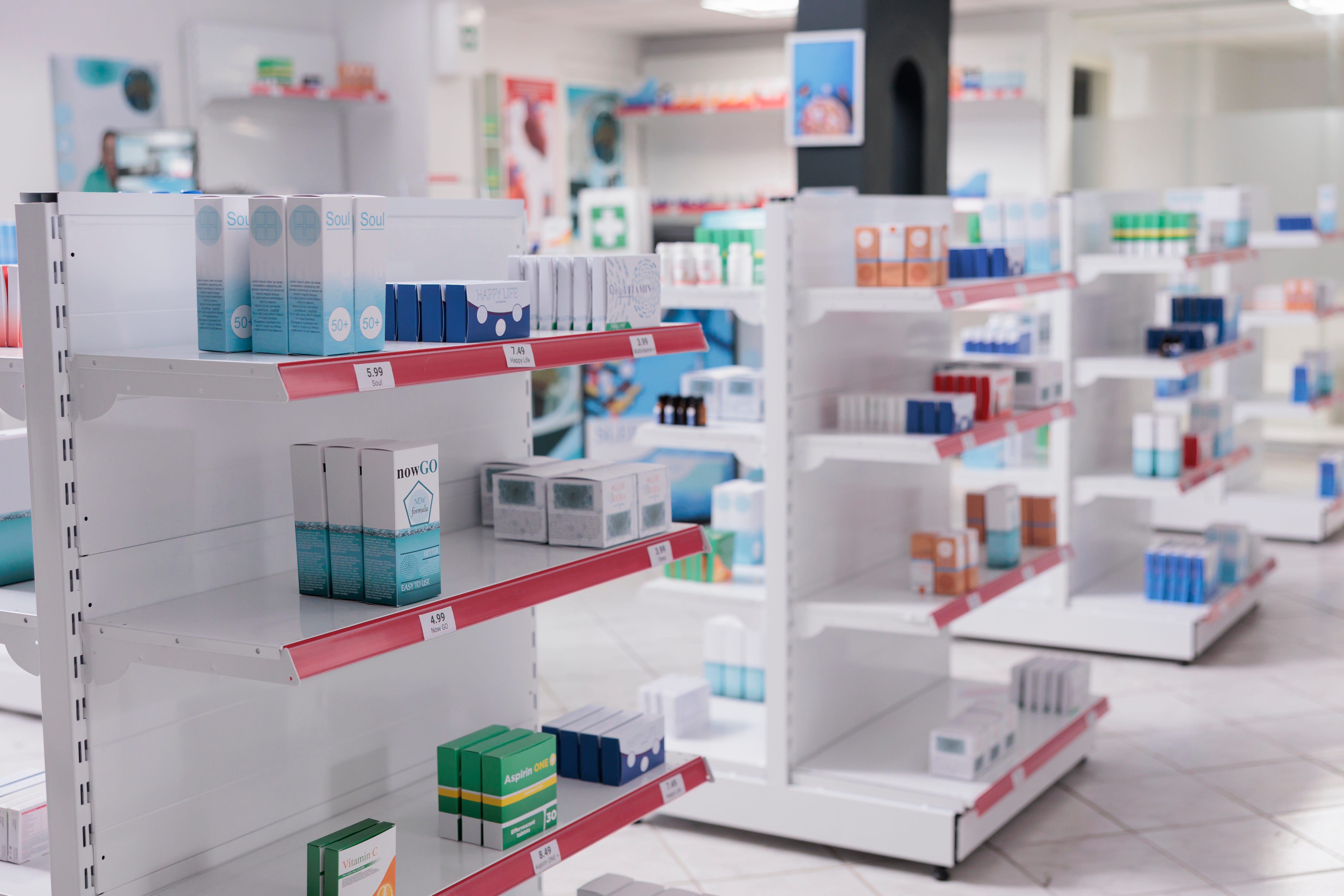
Fine-tuning how you manage your stock, whether at a small community pharmacy or a larger chain, can have a big impact. This article discusses the challenges faced by Australian pharmacists in inventory management and offers practical solutions to optimise costs and boost profits.
Understanding Pharmacy Inventory Challenges in Australia
Australian pharmacies are commercially driven and operate under unique regulations. The Pharmaceutical Benefits Scheme (PBS) regulates prices and margins on prescription medicines and requires pharmacies to stock a wide range of items, even when the turnover on some products is limited.
Common inventory challenges include:
● Expired and obsolete stock due to over-ordering or poor rotation.
● Storage limitations, especially in smaller pharmacies.
● Supply chain delays and shortages are making forecasting difficult.
● Compliance requirements, including cold chain management and controlled drug storage.
● Cash flow strain from excess stock sitting idle on shelves.
These challenges can silently eat away profit and soak up operating capital but are likely to materialise if a plan is not in place for inventory and shelving.
Smart Inventory Tips to Maximise Profit and Minimise Waste
Reducing Expired and Obsolete Stock through Better Pharmacy Drug Shelving
Expired stock in pharmacies creates waste and represents profits lost and potential safety & compliance issues. It is simple and effective to improve risk exposure by shelving.
To start, create FIFO (First In, First Out) shelving. Older stock should be sold first, and new stock should be placed behind it. Shelving is easier for employees to follow with clear labelling and consistent placement.
Expiry-based Pharmacy Drug Shelving is the next step.
● Put short-dated stock at eye level or in a designated section for priority sale.
● Put medium-term stock in standard shelving zones.
Put long-dated stock on upper shelves or in back storage. Regular shelf checks, combined with your inventory system, allow your staff to find and act on short-dated products before they expire. As a result, you will have the time to do promotions and change your orders and supplier returns instead of wasting time on expired stock.
Better shelving decreases “hidden” stock, where products are misplaced, forgotten, or obstructed by clutter. A clean and organised shelving system makes certain that all inventory is visible, accessible, and accounted for.
Smart Stock Control Techniques Supported by Effective Pharmacy Drug Shelving
Good inventory management is more than just what you order. It is also about how you store and manage it after it arrives. Shelving is essential for the effective implementation of stock control systems.
Some examples of effective stock control techniques are:
● Par levels systems: Setting a minimum and maximum quantity of stock for each item in accordance with sales history and supplier lead times.
● ABC Analysis: The stock is divided into three categories: high-value, medium-value, and low-value items to manage and prioritise focus.
● Cycle counting: Instead of doing a single, large annual stocktake, a number of small, routine stock counts are done throughout the year.
All of these approaches are simplified when your shelving is arranged by category, strength, form, or therapeutic class. Allows staff to easily locate items, determine that they are understocked and identify any errors.
For instance, placing fast-selling OTC products on accessible shelving locations on the sales floor will enhance stock turnover and improve workflow. Secondary shelving zones that are clearly labelled can be utilised for slower-moving items or speciality items to maintain optimum Pharmacy Drug Shelving space.
Compliance & Storage Best Practices for Safe Pharmacy Drug Shelving

In Australia, compliance is a core part of pharmacy operations. How pharmacies work is determined by the Therapeutic Goods Administration (TGA), combined with state legislation and professional customs, such as how drugs are stored, handled and recorded.
Pharmacy Drug Shelving must support:
● Temperature monitoring for the cold chain (insulin, vaccines, etc.).
● Sufficient space for the safekeeping of Schedule 8 and other scheduled drugs.
● Dispensing stock, returned drugs, and quarantined items must be easily distinguishable.
● Accurate recording of batch numbers and expiry dates.
These examples highlight the shelving design that regulations require. For example, cold chain shelving must be positioned near temperature-controlled refrigeration units, and the controlled drug safes must be located in the restricted access areas.
The risk of dispensing errors can also be minimised with good shelving design. Staff are supported in their task when they have consistent shelving layouts, strong visual cues, and clearly separated categories that assist them in identifying the right product and formulation, especially during busy times.
Tracking and Improving Key Inventory Metrics Using Shelf-Level Data
Maximising profit involves moving away from guesswork and utilising data to inform their inventory decisions. This includes tracking key metrics like:
● Stock turnover rates
● Expiry rates
● Gross Margin Return on Investment (GMROI)
● Dead stock values
● Order fulfilment accuracy
Pharmacy Drug Shelving plays a part in accurate reporting and analysis. Streamlined analysis becomes possible when the stock is better organised systematically. Having inventory visible is important to knowing which items are selling or in demand, which ones are moving slowly, or which items are at risk of expiring before being sold.
Current pharmacy management systems integrate easily with systems that offer barcode scanning and shelf-level information. This provides the capability to:
● Track the movement of stock in real time.
● Identify stock that is on the brink of expiry and products that need to be reordered.
● Evaluate the performance of different inventory categories and the productivity of each shelf.
Utilising data and effective management of physical shelves promotes a self-contained system that will continuously improve the accuracy of inventory and the financial performance of the business.
Training Staff on Regulatory and Inventory Best Practices
Without effective staff training, the ideal inventory systems and shelving layouts will be wasted. Your staff are stuck in the shelving, and their practices will directly impact waste, compliance, and profit.
Training should cover:
● Correct stock rotation procedures using FIFO shelving.
● Storage and handling of temperature-sensitive and controlled medicines are done properly.
● Receiving and shelving are done accurately; deliveries are checked against invoices.
● Inventory software and scanning tools.
● Key inventory metrics and their influence.
Encouraging staff ownership of their shelving zones or categories. This helps create accountability and pride in the maintenance of clean, accurate, and compliant shelving.
Regular refresher training, backed by SOPs and visual shelf guides, provides consistency across shifts and team members.
Conclusion
Pharmacy inventory management used to be considered an operational task. Now, it is a strategic driver of profitability, compliance, and patient safety. With tight margins and rising expectations, the Australian pharmacy sector demands a waste-reducing and profit-maximising approach.
Smart stock control and compliance, key metrics tracking, staff training, and improved shelving can transform inventory from a cost burden to a competitive advantage. A well-organised pharmacy is easier to run, improves patient health, enhances financial outcomes and reduces stress. Start with your shelves, and the rest will follow.
Transform your pharmacy inventory into a profit driver with FlowSell’s Pharmacy Drug Shelving and storage solutions. Talk to our team today.